

Introduction
Diesel generators play a crucial role in providing backup power in various industries and settings. They are relied upon to maintain operations during power outages and emergencies, ensuring continuity and reliability. However, diesel generators are also subject to regulatory monitoring to ensure their compliance with environmental standards and safety regulations. This article explores the importance of regulatory monitoring for diesel generators, the key regulations that govern their operation, and best practices for ensuring compliance.
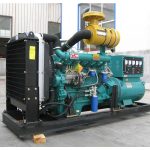
Importance of Regulatory Monitoring for Diesel Generators
Regulatory monitoring for diesel generators is essential to protect the environment, public health, and safety. Diesel generators are known to emit pollutants such as nitrogen oxides (NOx), particulate matter (PM), carbon monoxide (CO), and volatile organic compounds (VOCs) during operation. These emissions can have adverse effects on air quality, contributing to smog, respiratory illnesses, and other health problems.
In addition to air pollutants, diesel generators also produce noise pollution, which can be a nuisance to nearby residents and workers. Regulatory monitoring helps to ensure that diesel generators are operating within acceptable noise levels and that measures are in place to mitigate noise emissions.
Furthermore, diesel fuel storage and handling pose risks of spills and leaks, which can contaminate soil and water sources. Regulatory monitoring helps to enforce proper storage and handling practices to prevent environmental damage and protect human health.
Key Regulations for Diesel Generators
Several regulations govern the operation of diesel generators to ensure their compliance with environmental and safety standards. Industrial applications of a 400kW generator of the key regulations include:
1. Clean Air Act: The Clean Air Act, administered by the Environmental Protection Agency (EPA), sets emissions standards for various pollutants, including NOx, PM, CO, and VOCs. Diesel generators are subject to these emissions limits and may be required to install emission control devices such as catalytic converters or diesel particulate filters to meet the standards.
2. National Ambient Air Quality Standards (NAAQS): The NAAQS set limits on ambient concentrations of criteria pollutants, including ozone, particulate matter, and sulfur dioxide. Diesel generators located in areas that do not meet the NAAQS may be subject to additional emissions controls or operational restrictions to reduce air pollution.
3. Occupational Safety and Health Administration (OSHA) Regulations: OSHA regulations govern workplace safety and health, including requirements for noise exposure limits and hazardous materials handling. Diesel generator operators must comply with OSHA standards to protect workers from exposure to noise and hazardous chemicals.
4. Spill Prevention, Control, and Countermeasure (SPCC) Rule: The SPCC rule, enforced by the EPA, requires facilities that store oil, including diesel fuel, to develop and implement spill prevention plans. Diesel generator owners must have measures in place to prevent spills and leaks that could harm the environment.
Best Practices for Ensuring Compliance
To ensure compliance with regulatory requirements, diesel generator owners and operators should follow best practices for monitoring and maintaining their equipment. Some key best practices include:
1. Regular Emissions Testing: Conduct regular emissions testing to ensure that diesel generators are operating within emissions limits. Testing should be performed by qualified professionals using approved methods and equipment.
2. Maintenance and Inspections: Implement a routine maintenance schedule to keep diesel generators in good working condition. Inspect equipment regularly for leaks, malfunctions, and signs of wear and tear, and address any issues promptly.
3. Fuel Management: Properly store and handle diesel fuel to prevent spills and leaks. Use secondary containment systems, leak detection alarms, and spill response kits to minimize the risk of environmental contamination.
4. Noise Monitoring: Monitor noise levels generated by diesel generators to ensure compliance with noise regulations. Install sound barriers, mufflers, or other noise-reducing measures as needed to mitigate noise emissions.
5. Recordkeeping and Reporting: Keep detailed records of maintenance activities, emissions testing results, and any incidents involving diesel generators. Report emissions data to regulatory agencies as required by law.
Conclusion
Regulatory monitoring is essential to ensure that diesel generators operate in compliance with environmental and safety regulations. By following best practices for emissions testing, maintenance, fuel management, noise monitoring, and recordkeeping, diesel generator owners can demonstrate their commitment to regulatory compliance and environmental stewardship. By upholding these standards, diesel generators can continue to provide reliable backup power while minimizing their impact on public health and the environment.